
Civil Defense requirements for shops and restaurants
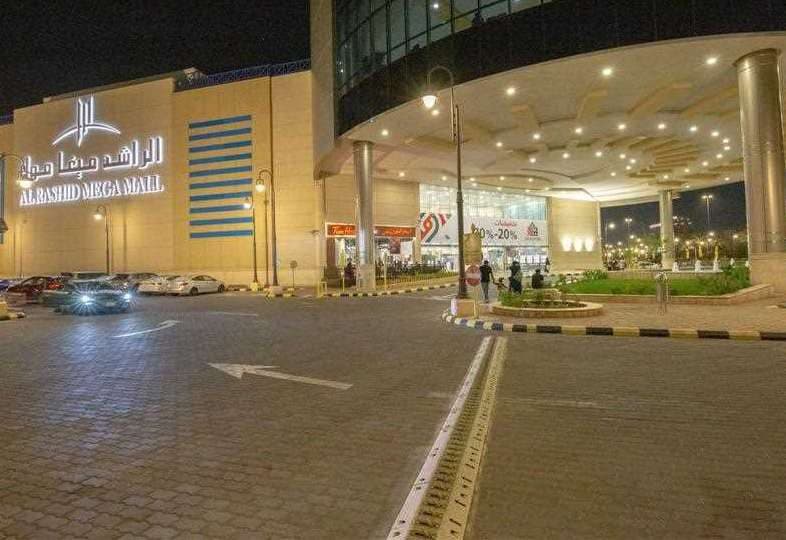
The most painful moment for a shop or restaurant owner is when the fit-out is finished, the décor installed and the opening date set — and then it turns out the Civil Defense permit needs changes on site. Many of those changes could have been avoided if the requirements had been known before work started.
This article is a practical checklist of what you typically need before opening a shop or restaurant. The exact requirements depend on activity, area and classification, and an accredited office confirms them after reviewing the file.
Start with the right question: what is your classification?
A small clothing shop and a restaurant with an open kitchen and dining hall do not carry the same risk, even at similar sizes. Classification depends on the activity, site area, expected occupants, any heat or gas sources, and the location — on a commercial street, inside a mall, or on an upper floor.
The classification determines the technical report route: immediate for many small low-risk shops, non-immediate for larger or higher-risk ones. We explain the difference in immediate vs non-immediate technical reports.
The baseline checklist for any shop
These items recur in most shops; quantities and specifications vary with area and classification:
- Extinguishers suited to the hazard: number, type and placement depend on area and the materials present, with a current inspection tag.
- Emergency lighting: switches on automatically in a power cut and lights the exit route.
- Exit signs: clear, illuminated and pointing to the actual exit.
- An unobstructed exit: the exit door opens easily with no goods or furniture in front of it; larger spaces may need more than one exit.
- Sound electrical installations: a closed, labelled distribution board, with no temporary connections, exposed wiring or overloads.
- Orderly storage: nothing stored in corridors, in front of electrical panels, or above permitted limits.
- Detectors or an alarm system: required according to area and classification, and more common in large or multi-level shops.
What a restaurant adds
The kitchen is the essential difference. Open flame, hot oil, gas, and exhaust hoods that accumulate grease raise the site's risk and add requirements an ordinary shop does not have. Common requirements for restaurants and cafés that cook on site:
- A kitchen suppression system: an automatic system over cooking equipment and inside the hood duct, in kitchens that need it given the type and scale of cooking.
- An extinguisher for cooking-oil fires: these fires behave differently and cannot be put out with just any extinguisher.
- A fire blanket: near the cooking area and easy to reach.
- Compliant gas installations: a tank or cylinders in a suitable location, usually outside the kitchen, piping installed by a specialist, and shut-off valves within easy reach.
- A gas leak detector: in kitchens using gas, as the classification requires.
- Hood and duct maintenance: regular cleaning, since grease build-up is one of the most common causes of kitchen fires.
Requirements grow as the dining area grows, because occupant numbers affect the number and capacity of exits and the escape routes.
Shops and restaurants inside malls
Inside a shopping centre you are part of a larger safety system — the mall's alarm, sprinklers and escape routes. That does not exempt you from requirements; it adds a third party, mall management, which usually requires your systems to be tied into the building's and your fit-out design to be approved before work starts.
A recurring mistake is a fit-out contractor moving sprinkler heads or detectors to suit a false ceiling or décor without consulting anyone. It shows up at inspection and delays opening. The fix is to review the safety design as part of the fit-out drawings from day one.
Cases that need special attention
Some sites look ordinary but noticeably raise the requirements. It helps to know them before signing:
- Upper floors and basements: a shop or restaurant above ground or below it needs more attention to escape routes and smoke control, because getting out is harder than from a street-front unit.
- Central and delivery-only kitchens: they may receive no customers, but the cooking volume is large, so kitchen and gas requirements matter more than dining-area ones.
- Outdoor seating and canopies: the materials used in canopies and screens, the placement of outdoor heaters, and keeping exits clear.
- Shops with an attached stockroom: if storage is large relative to sales area, it can affect the classification.
In every one of these cases, classification and route are set after reviewing the site and the activity together.
The right sequence
- Before signing the lease or fit-out contract: check with an accredited office whether the site suits the activity from a safety standpoint — for restaurants especially: gas location, exhaust and exits.
- During fit-out design: put safety requirements into the drawings, not after them.
- During construction: follow the approved design and keep the installation and testing certificates for all systems.
- Before opening: inspection by the accredited office, then the technical report on Salamah and completion of the permit.
The Civil Defense permit is linked to the activity licence on Balady, so any delay in it moves the whole opening date. The route is covered in our article on Civil Defense permit steps via Salamah.
Common mistakes that delay opening
- Buying extinguishers and systems before knowing the classification, then finding the type or number is wrong.
- Locking the rear exit or using it as a stockroom.
- Placing gas cylinders inside the kitchen or in an enclosed, unventilated space.
- Décor made of highly flammable materials on ceilings and walls.
- Changing the activity after licensing — for example adding a kitchen to a sweets shop that used to sell ready-made products — without updating the file.
Existing shops coming up for renewal
If your shop or restaurant has been operating for years and renewal is approaching, start by reviewing what has changed: has the dining area grown, have cooking appliances been added, has the gas type or location changed? Any of these can change the requirements. A gap assessment shows the shortfalls before renewal, not during it.
How Arvox helps
Arvox is accredited with Civil Defense and files technical reports on Salamah in its own name, is licensed by the Saudi Council of Engineers in safety engineering and civil engineering, and is accredited with Balady. We review your activity and site data, confirm the classification, route and requirements, then inspect the site and file the report.
If you are preparing to open a shop or restaurant in Dammam, Khobar, Dhahran or anywhere in the Eastern Province, contact us before fit-out starts — one early review saves costly changes later.